

Key takeaways
- Jefferson County is a TWIA first-tier coastal county, so many Port Arthur homes get wind and hail coverage from TWIA rather than their homeowners insurer.
- File within one year of the date of loss (Tex. Ins. Code §2210.573). Earlier is far better.
- TWIA generally has 60 days after receiving the claim, or the information it requested, to accept or deny. The Commissioner can extend that after a major storm.
- Repairs, including re-roofs and many roof repairs, need TDI windstorm inspection and a WPI-8 certificate to keep the structure eligible for TWIA coverage.
- Amount disputes go to supplemental payment requests and appraisal (60 days for ACV disputes). Denials follow special notice-of-intent and mediation rules, so talk to an attorney.
If you own a home in Port Arthur, Groves, Nederland, Port Neches, or Sabine Pass, there is a good chance your wind and hail coverage comes from the Texas Windstorm Insurance Association, not your regular homeowners company. That means a TWIA claim after a hurricane or tropical storm follows its own rules, deadlines, and dispute process, set out in Texas Insurance Code Chapter 2210, Subchapter L-1. This TWIA claim guide walks Port Arthur homeowners through it step by step.
Why TWIA matters in Port Arthur
TWIA is the state-created insurer of last resort for wind and hail along the Texas coast. The Texas Department of Insurance lists Jefferson County as a first-tier coastal county in the catastrophe area, along with counties such as Galveston, Chambers, Brazoria, and Nueces. Neighboring Orange County is not in the TWIA catastrophe area, so homeowners in Orange and Bridge City usually get wind coverage elsewhere.
Southeast Texas has a long record of wind losses. Hurricane Rita in 2005, Humberto in 2007 (which made landfall in southwestern Jefferson County), Ike in 2008, and Laura and Delta in 2020 all brought damaging winds. During Delta, NOAA’s Storm Events Database recorded a sustained wind of 57 knots and a gust of 78 knots at Jack Brooks Regional Airport, with hurricane-force sustained winds at Sabine Pass (NOAA NCEI). See our Port Arthur storm history for more.
The typical Port Arthur coverage setup
| Policy | Typically covers | Typically excludes |
|---|---|---|
| Homeowners policy (with wind/hail exclusion) | Fire, theft, plumbing leaks, liability, and other non-wind perils | Wind and hail (excluded by endorsement), flood |
| TWIA windstorm policy | Wind and hail damage to the structure and, if purchased, contents and additional living expense | Flood, storm surge, rising water |
| Flood policy (NFIP or private) | Flood, including storm surge and rising water | Wind damage; some contents and basement limits |
Your declarations pages show exactly what you have. One hurricane can produce two or three separate claims, each with its own adjuster and deductible. For the wind-versus-water question, read wind vs. flood damage in Port Arthur.
Step-by-step: filing and managing a TWIA claim
Step 1: Make the property safe and prevent further damage
Once it is safe, take photos and video of all damage, then make temporary repairs. TWIA’s repairs guidance says to make temporary repairs as soon as possible, such as tarping roofs, boarding windows, drying wet areas, and removing soaked carpet and drywall, and to keep invoices and receipts. Reasonable temporary repair costs may be covered if the loss is covered.
Two cautions from TWIA: keep damaged property until the field adjuster approves disposal, and hold off on permanent repairs like a roof replacement until after the adjuster inspects, because the adjuster needs to see the damage to determine whether it came from wind or hail.

Step 2: Report the claim, and report it to every insurer that may be involved
Report wind and hail damage to TWIA through its Policyholder Portal or by phone at (800) 788-8247, as listed on twia.org. If water entered the home from rising water or surge, also report a flood claim. If the loss involves non-wind causes, report to your homeowners insurer too.
Under §2210.573(a), a TWIA claim generally must be filed no later than one year after the date the damage occurred. TWIA may accept a late claim for good cause, but late reporting invites disputes about what caused the damage. Report promptly.
Step 3: Document thoroughly
A strong TWIA claim is built on evidence:
- Wide and close-up photos of every roof slope, elevation, and room affected
- Video walkthroughs, ideally with date stamps
- Photos of damaged materials before disposal
- Moisture readings in ceilings and walls where water entered
- Pre-storm photos of the home, if you have them
- Receipts for tarps, fans, dehumidifiers, and any hotel or meal costs
- A room-by-room list of damaged contents, if you have TWIA contents coverage
Our claim documentation checklist and guide to documenting storm damage cover this in more detail.
Step 4: Respond to information requests
Under §2210.573(b), TWIA may request in writing information it needs to decide the claim no later than 30 days after the claim is filed. Respond completely and keep copies. The decision clock in the next step can depend on when TWIA receives what it asked for, so incomplete responses can slow things down.
Step 5: Meet the field adjuster
Be present for the inspection if you can. Walk the adjuster through every area of damage, including the attic, and point out anything that is easy to miss: lifted or creased shingles, damaged flashing, wind-driven rain stains, damaged fences or outbuildings. Take your own notes and photos during the visit. If something isn’t inspected, say so in writing afterward.
Step 6: Understand the decision timeline
| Event | Timeline | Source |
|---|---|---|
| File the claim | Generally within one year of the date of loss | Tex. Ins. Code §2210.573(a) |
| TWIA requests information | Within 30 days after the claim is filed | §2210.573(b) |
| TWIA accepts or denies in writing | Within 60 days after receiving the claim or the requested information, whichever is later (Commissioner may extend) | §2210.573(d) |
| TWIA pays an accepted claim | Within 10 days after accepting coverage and receiving requested materials | twia.org Claims |
| Request appraisal (ACV amount dispute) | Within 60 days after receiving the notice letter; replacement cost timelines are stated in the letter | §2210.574; twia.org |
| Notice of intent to sue (denials) | Within two years after receiving the claim decision | §2210.575; twia.org |
One difference from private insurers: Texas’s general prompt-payment law in Chapter 542 does not apply to TWIA (§2210.014). TWIA claims run on the Subchapter L-1 timelines above instead. Always go by the dates in your own claim letters, since extensions after a declared catastrophe can change them.
Step 7: Read the decision letter carefully
Under §2210.573, TWIA’s notice must say how much it will pay and the time limit to request appraisal. A partial acceptance or denial must also explain what was denied and why, and state the deadline to give notice of intent to sue. Acceptance notices must explain how to request supplemental payments and the deadlines for them. Put every deadline on a calendar the day the letter arrives.
Step 8: Repair to windstorm code and get a WPI-8
This step trips up many homeowners. In the TWIA catastrophe area, structures, additions, and repairs, including re-roofs and many roof repairs, must be built and inspected to TDI’s windstorm specifications to stay eligible for TWIA coverage. The TDI Windstorm Inspection Program issues a WPI-8 Certificate of Compliance when the work passes. TWIA notes that without a Certificate of Compliance it lacks evidence the structure meets code, which can make it ineligible for coverage. When a TDI inspector does the inspections, they happen before and during the work, not just at the end.
Practical points for Port Arthur:
- Hire a contractor familiar with TDI windstorm requirements and ask how they will handle inspections.
- Get a city permit where required. The City of Port Arthur’s Building Inspections Division enforces the 2021 International Residential Code, and proof of TDI inspection enrollment (WPI-1) may be needed before a permit. Confirm scope with the city; see our local building codes page.
- Keep the WPI-8 with your insurance records. You will want it for your next renewal and your next claim.
Code compliance doesn’t automatically mean the claim pays for upgrades. That depends on your coverage, including any ordinance or law coverage.
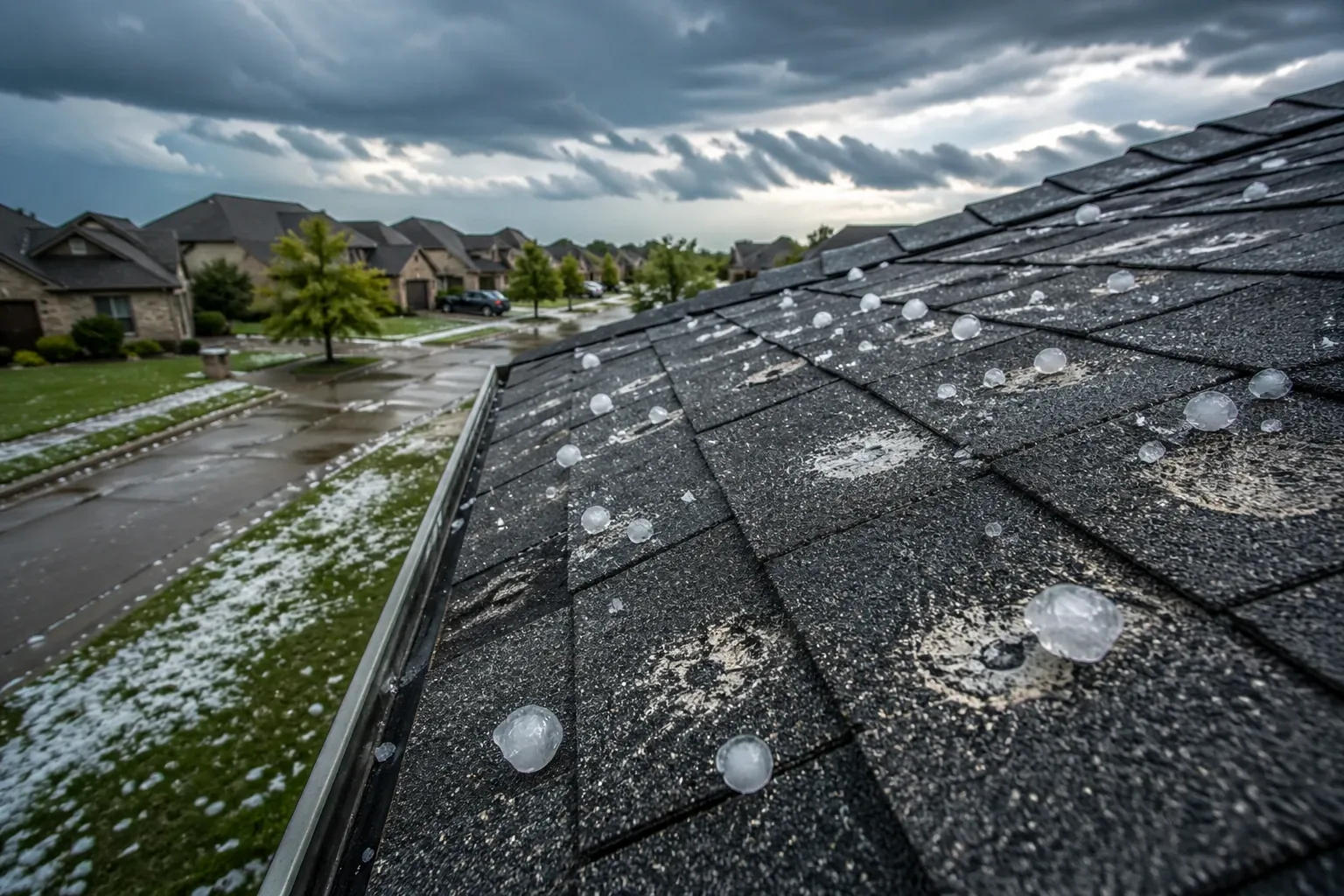
Step 9: Request supplemental payments when costs exceed the estimate
If repairs cost more than TWIA estimated, or you find damage that was missed, you may be entitled to supplemental payments. TWIA says to gather detailed, line-item contractor estimates that separate labor and materials, plus receipts, and submit them through Claims Center or the Policyholder Portal. Cashing the first check doesn’t end eligibility, and a claim can involve several payments, but deadlines apply, so check your letters. Our insurance claim supplements page explains how supplements are built.
Step 10: If you still disagree on the amount, consider appraisal
For disputes over the amount of an accepted claim, TWIA’s statute provides appraisal (§2210.574). TWIA says the deadline for actual cash value disputes is 60 days from receiving the notice letter, and notifying TWIA of the disagreement preserves your right without obligating you to proceed. Appraisal decides the amount of loss, not coverage. Missing the appraisal deadline can waive your right to contest the amount, so don’t let it slip. See insurance appraisal.
Step 11: If your claim is denied, talk to an attorney about the next step
Denials follow a separate path. TWIA’s claims page says you must notify TWIA of your intent to sue within two years after receiving the claim decision, and TWIA may require alternative dispute resolution, usually mediation, completed within 60 days after it is requested unless extended. Missing the notice deadline waives the right to contest the denial. Private lawsuits against TWIA are also limited by statute. Because these are legal rights with strict deadlines, a Texas attorney should advise you. TWIA also has an ombudsman program for policyholder questions.
Common TWIA claim problems in Jefferson County
- Wind vs. surge. Near Sabine Pass and low-lying parts of the county, TWIA may attribute damage to flood. Ike’s surge reached 14 to 15 feet at Sabine Pass, and NOAA’s Storm Events Database notes that wave action on top of the surge overtopped Port Arthur’s seawall (NOAA NCEI). Separating wind damage from water damage needs careful documentation.
- Roof repair vs. replacement. Whether a composition shingle roof can be repaired, and whether repairs can meet windstorm code, is a frequent dispute.
- Missing WPI-8 on prior work. Earlier repairs done without inspection can complicate coverage. Ask your agent if you are unsure.
- Deductibles. TWIA policies often carry a percentage windstorm deductible. Use our hurricane deductible calculator to estimate yours.
Getting help with a TWIA claim
Many TWIA claims are resolved directly between the homeowner and TWIA. Larger or disputed ones can benefit from professional help. A Port Arthur Public Adjuster can document the damage, prepare an Xactimate estimate, manage supplemental payment requests, and help prepare for appraisal. We don’t give legal advice, and denial disputes headed toward litigation belong with an attorney. Learn more on our TWIA windstorm claims page, or request a review from a Port Arthur Public Adjuster serving Port Arthur, Jefferson County, and surrounding Southeast Texas communities.
Frequently Asked Questions
Does TWIA cover flood damage?
No. TWIA covers windstorm and hail. Flood, including storm surge and rising water, is excluded and needs a separate flood policy through the National Flood Insurance Program or a private flood insurer. Rain that enters through an opening the wind created in the roof or walls is treated differently from flood and may be part of a wind claim, depending on the policy.
How long do I have to file a TWIA claim?
Under Texas Insurance Code §2210.573, a TWIA claim generally must be filed no later than one year after the date the damage occurred. TWIA may accept a late claim for good cause, but report as soon as you can after the storm.
How long does TWIA have to accept or deny my claim?
TWIA must send written notice of its decision no later than 60 days after it receives the claim or 60 days after it receives information it requested, whichever is later. TWIA can request information within 30 days after the claim is filed. The Commissioner of Insurance may extend the 60-day period, which has happened after major storms. TWIA says it pays within 10 days after accepting coverage and receiving requested materials.
What is a WPI-8 and why does it matter for my TWIA claim?
A WPI-8 is a Certificate of Compliance issued through the Texas Department of Insurance Windstorm Inspection Program. It shows that construction or repairs, including roof replacements and many roof repairs, meet the windstorm building code. TWIA says that without a Certificate of Compliance it lacks evidence the structure meets code, which can affect eligibility for TWIA coverage.
What if I disagree with the amount TWIA offered?
Start by submitting additional documentation and estimates for a supplemental payment. If you still disagree with the amount on an accepted claim, you can request appraisal. TWIA says the deadline for actual cash value disputes is 60 days after you receive the notice letter, with replacement cost timelines stated in the letter.
Can I sue TWIA if my claim is denied?
Lawsuits against TWIA are restricted and follow special rules. TWIA says you must give notice of intent to sue within two years after receiving the claim decision, and TWIA may require mediation or another form of alternative dispute resolution first. Talk to a Texas attorney about any denial you want to challenge.
Can a public adjuster handle a TWIA claim?
Yes. A Texas-licensed public adjuster can represent the policyholder on a TWIA claim, including documentation, estimates, supplemental payment requests, and appraisal preparation. Fees are disclosed in a written contract before any work begins; Texas law caps public adjuster compensation at 10% of the insurance settlement.
Sources and further reading
- Texas Windstorm Insurance Association — Claims
- Texas Windstorm Insurance Association — Temporary and permanent repairs
- Texas Insurance Code Chapter 2210 — Texas Windstorm Insurance Association (Subchapter L-1)
- Texas Department of Insurance — Windstorm inspections and general questions
- NOAA NCEI Storm Events Database — Hurricane Delta, Jefferson County (October 9, 2020)
This article is general information about property insurance claims in Texas, not legal advice, and not a promise of any coverage or outcome. Your policy language and the facts of your loss control your claim.