

A Port Arthur hurricane damage claim is rarely a single claim. Port Arthur sits on Sabine Lake a few miles from the Gulf, and Jefferson County is one of the first-tier coastal counties served by the Texas Windstorm Insurance Association (TWIA). That means one storm can leave a homeowner dealing with a homeowners carrier, a TWIA windstorm policy, and a flood insurer at the same time, each with different adjusters, deductibles, and deadlines. This page explains how hurricane claims usually work here and where a Port Arthur Public Adjuster may help.
Why Hurricane Claims in Port Arthur Are Different
Southeast Texas has a long record of tropical systems. Hurricane Rita made landfall near the Texas/Louisiana border in September 2005 and caused widespread wind damage across the area. Hurricane Ike in 2008 produced a 14–15 foot surge at Sabine Pass, the highest water level ever recorded there; NOAA notes the surge did not top the Port Arthur seawall, but wave action on top of it did, and at least 4,000 homes flooded county-wide (NCEI event record). Hurricane Harvey in 2017 brought rainfall totals over 40 inches across much of the county and flooded more than 64,000 homes, according to the National Weather Service Lake Charles. Hurricane Laura in 2020 made landfall near Cameron, Louisiana, but still sent damaging winds into eastern Jefferson and Orange counties.
Each of those storms damaged property in a different way. Rita and Laura were mostly wind events here. Harvey was mostly a rainfall flood. Ike combined wind and surge. The cause of each piece of damage decides which policy responds, so the first job in any hurricane claim is sorting damage by cause.
Which Policy Covers Which Hurricane Damage?
The table below is a general guide. Your actual policy language controls, and some owners carry wind coverage through their homeowners carrier instead of TWIA.
| Type of damage | Policy that usually responds | Notes |
|---|---|---|
| Roof covering torn off, shingles lifted, siding blown loose | TWIA or homeowners wind coverage | Named-storm or wind/hail deductible usually applies. |
| Rain entering through a wind-created opening | TWIA or homeowners wind coverage | Many policies cover interior water only if wind first created an opening. |
| Storm surge or rising water inside the home | NFIP or private flood policy | Standard homeowners and TWIA policies generally exclude flood. |
| Fallen tree on the house | Usually wind coverage | Debris removal may have its own sublimit. |
| Spoiled food or extra living costs | Homeowners or TWIA, depending on policy | Additional living expense terms vary widely. |
| Lost business income after a closure | Commercial policy with business income coverage | Waiting periods and civil-authority terms matter. |
When the same room has both wind-driven rain damage and floodwater, the carriers may each point to the other. Clear photos, water lines, roof damage records, and a room-by-room estimate help separate the two. Our article on wind vs. flood damage in Port Arthur goes deeper into that problem, and our flood damage claims page covers the flood side.
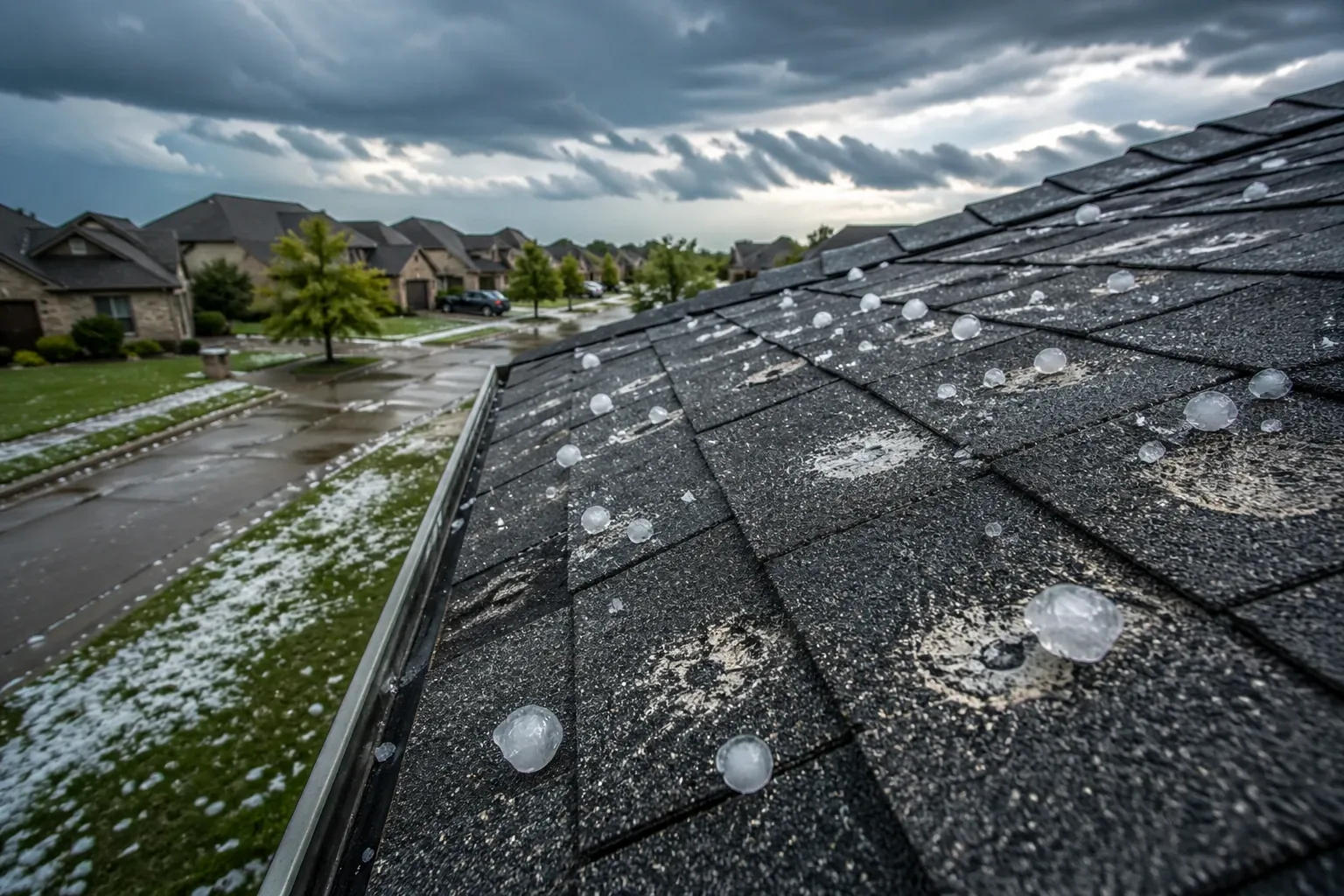
Hurricane Deductibles Can Be Larger Than You Expect
Many Texas policies carry a named-storm or hurricane deductible expressed as a percentage of the dwelling limit. On a home insured for $250,000, a 2% deductible is $5,000 and a 5% deductible is $12,500. If you have separate wind and flood policies, each deductible applies to its own claim. Check your declarations page for the exact numbers, then use our hurricane deductible calculator or read how hurricane deductibles work in Texas.
Documenting Hurricane Damage
Insurers and adjusters are stretched thin after a large storm. Thousands of claims open within days, and field adjusters are often brought in from out of state. A well-organized file helps your claim move.
- Photos and video before cleanup. Capture the roof, each elevation of the house, every damaged room, and any visible water line on walls.
- Mitigation records. Keep receipts for tarps, board-up, fans, dehumidifiers, and water extraction. Southeast Texas humidity makes fast drying important.
- Damaged materials. Keep samples of shingles, flooring, and drywall when practical, and photograph anything you have to discard.
- Contents list. Record damaged belongings with descriptions, approximate age, and replacement cost.
- Every letter and call. Note claim numbers, adjuster names, dates, and what was said.
Our claim documentation checklist is a printable version of these steps.
Common Disputes After a Hurricane
- Wind vs. water. The wind carrier says interior damage came from flooding; the flood carrier says it came from a roof leak.
- Pre-existing damage. The insurer attributes a worn roof or old leak stains to age rather than the storm.
- Scope too narrow. Estimates that patch a few roof squares when the slope cannot be repaired, or that leave out drywall, insulation, and trim behind wet areas.
- Code items left out. Port Arthur enforces the 2021 International Residential and Building Codes, and TWIA eligibility requires TDI windstorm inspection for re-roofs and structural repairs. Whether upgrades are paid depends on ordinance or law coverage. See our local building codes page.
- Depreciation. Under replacement cost coverage, insurers usually pay actual cash value first and release depreciation after repairs, within a deadline in the policy.
If your hurricane claim has already been paid low, an insurance estimate review can compare the carrier’s scope with the actual damage.
How a Port Arthur Public Adjuster May Help
A licensed public adjuster represents the policyholder, not the insurance company. On a hurricane claim that can include reviewing each policy, separating wind, water, and flood damage, building a line-item estimate in Xactimate, documenting the property with photos and moisture readings, and handling communication with each adjuster. If you also have TWIA coverage, our TWIA windstorm claims page explains that process. Port Arthur Public Adjuster is a service of Rise Public Adjusting LLC, TDI license #3356839. We cannot guarantee any result, and fees are disclosed in a written contract before any work begins; Texas law caps public adjuster compensation at 10% of the insurance settlement.
Serving Port Arthur and the Golden Triangle
Hurricanes do not stop at city limits. We work with property owners in Port Arthur, Jefferson County, and surrounding Southeast Texas communities, including Sabine Pass, Groves, Nederland, Port Neches, Beaumont, and Orange. Note that Orange County is not in the TWIA catastrophe area, so coverage there often looks different from coverage in Jefferson County. If a hurricane is approaching, our hurricane tracker can help you follow it.
Frequently Asked Questions
How many claims will I have after a hurricane in Port Arthur?
It depends on how your coverage is structured. Many Port Arthur owners have a homeowners policy that excludes wind and hail, a separate TWIA windstorm policy, and a separate flood policy. If the storm caused wind damage and flooding, you may have a claim under each policy, each with its own adjuster and deductible.
What is a named-storm or hurricane deductible?
Many Texas policies apply a special deductible to losses from a named storm or hurricane, often expressed as a percentage of your dwelling (Coverage A) limit, such as 1%, 2%, or 5%. Check your declarations page, and try our hurricane deductible calculator to see what that percentage means in dollars.
Should I make repairs before the insurance adjuster arrives?
Most policies require you to take reasonable steps to protect the property from further damage, such as tarping a roof or removing wet materials. Photograph everything first, keep damaged samples where practical, save receipts, and avoid permanent repairs until the damage has been documented.
How long does the insurer have to respond to my hurricane claim?
For many Texas insurers, the Prompt Payment of Claims rules in Insurance Code Chapter 542 set deadlines to acknowledge, investigate, and decide claims, and those deadlines can be extended by 15 days after a catastrophe declared by the commissioner. TWIA claims follow separate rules in Chapter 2210. Surplus lines carriers may differ.
Does my policy pay for code upgrades after hurricane repairs?
Only if you have ordinance or law coverage, and only up to that coverage’s limit. Port Arthur enforces the 2021 International Residential and Building Codes, and repairs in Jefferson County also need to meet TDI windstorm requirements to stay eligible for TWIA coverage.
Can a public adjuster guarantee a larger hurricane settlement?
No. A public adjuster can help document the loss, prepare an estimate, and communicate with the insurer, but outcomes depend on your policy and the facts. Fees are disclosed in a written contract before any work begins; Texas law caps public adjuster compensation at 10% of the insurance settlement.