
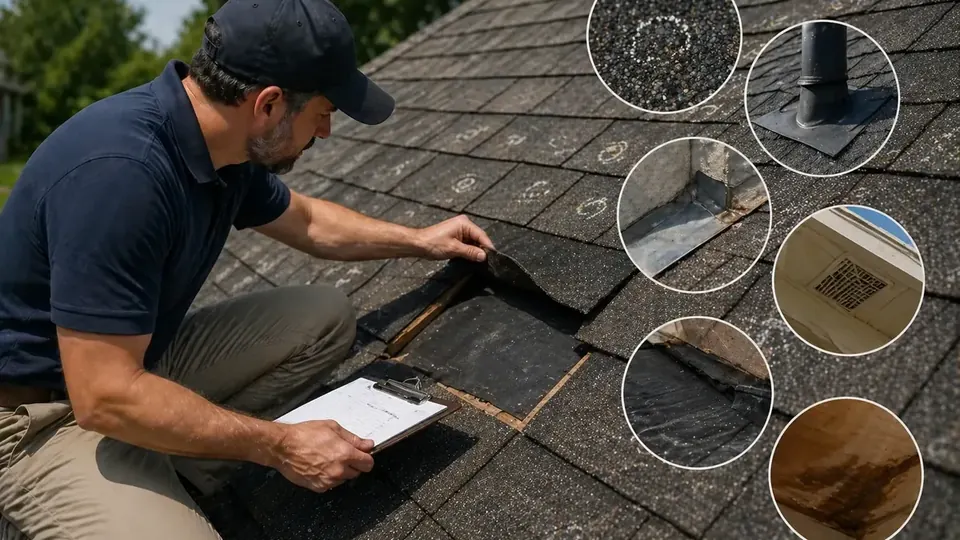
Port Arthur roof damage insurance claims tend to turn on a few questions: Was the damage caused by a covered storm? Can the roof be repaired, or does it need replacement? And what will the policy actually pay once deductibles, depreciation, and roof endorsements are applied? Those questions get more complicated in Jefferson County, where many roofs are insured through TWIA and every re-roof needs both a city permit and TDI windstorm inspection. This page walks through what typically matters on a roof claim here.
Common Roof Types and Damage in Port Arthur
Most homes around Port Arthur have composition shingle roofs. Older neighborhoods include many roofs that have been replaced more than once, sometimes with layers or mixed materials. Commercial and industrial properties near the refineries and the port often have metal roofs or low-slope membrane systems.
| Roof type | Common storm damage | Common claim dispute |
|---|---|---|
| Composition shingle | Missing or creased tabs, broken seals, hail bruising, granule loss | Wear and tear vs. storm; repair vs. replace |
| Metal panel | Lifted panels, failed fasteners, dents from hail | Cosmetic damage exclusions; panel availability |
| Low-slope (TPO, modified bitumen, built-up) | Punctures, seam separation, wind uplift at edges | Prior leaks; extent of wet insulation |
| Tile | Cracked or displaced tiles | Matching and breakage during repair |
For storm-specific details, see our wind damage claims and hail damage claims pages.
Repair or Replace?
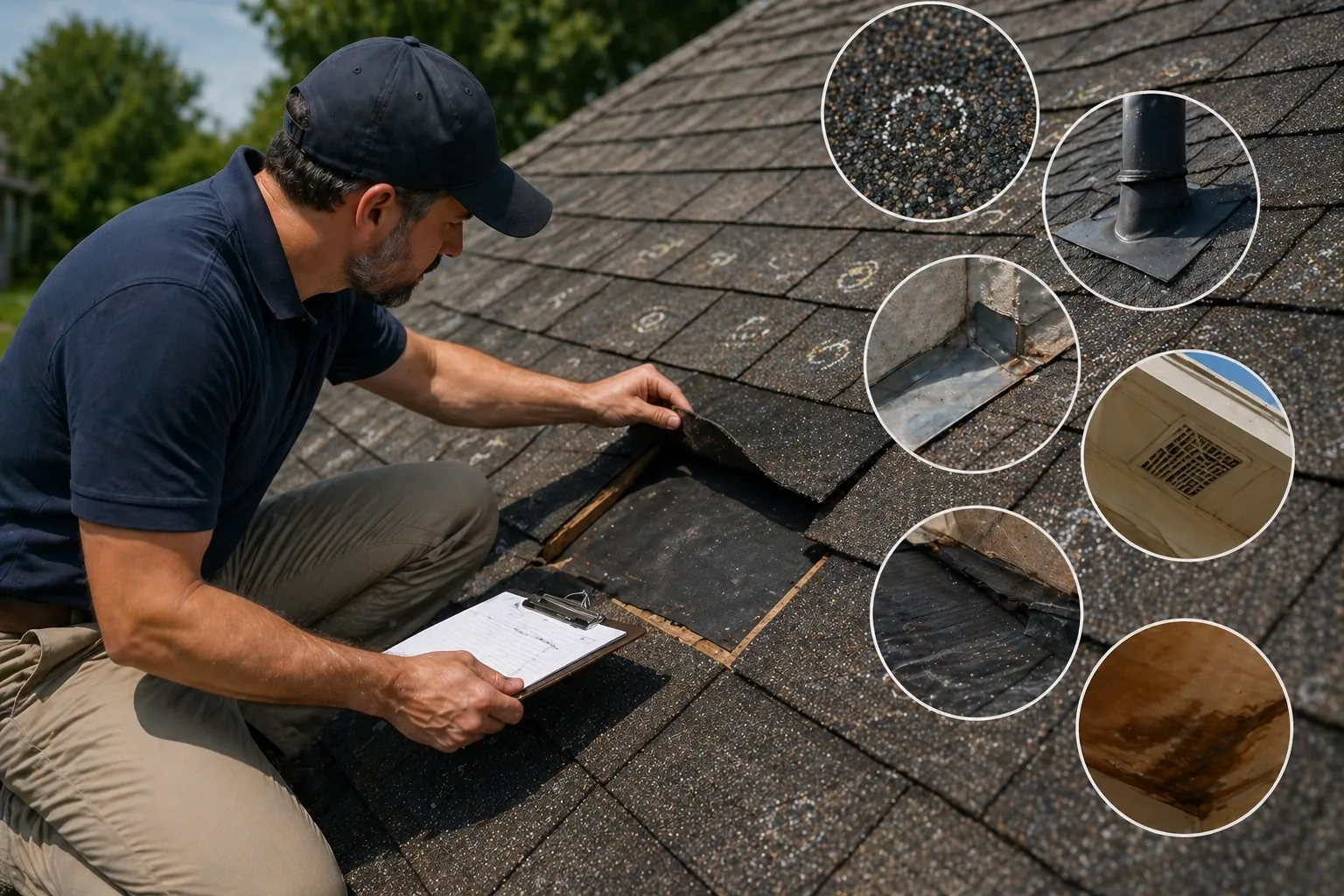
Insurers often start with a repair estimate. Whether that is enough depends on facts the estimate may not address:
- Brittleness. Older shingles may crack when lifted, so a spot repair can cause new damage.
- Matching. Discontinued shingle colors or profiles may not blend with existing slopes. Some policies limit what they owe for matching.
- Extent of damage per slope. Scattered damage across every slope is different from one blown-off corner.
- Manufacturer and code requirements. Installation instructions and the 2021 International Residential Code, which Port Arthur enforces, can affect underlayment, fastening, and flashing.
- Windstorm standards. Repairs and re-roofs in the TWIA catastrophe area must meet TDI specifications and be inspected to receive a WPI-8 certificate (TDI Windstorm Inspection Program).
Permits, Codes, and What the Policy Pays
The City of Port Arthur generally requires a permit for re-roofing and structural repairs. Permit techs can be reached at (409) 983-8261, and applications go through the city’s online permit portal (Inspections and Permitting). In cities that adopted TDI’s standard, proof of windstorm inspection enrollment may be needed before a building permit is issued.
Meeting code does not automatically mean the insurer pays for upgrades. Ordinance or law coverage, if you have it, pays up to its limit for increased costs to comply with codes. Our local building codes page explains how these rules fit together.
How Roof Claims Get Reduced
Even when a roof claim is approved, the check can be much smaller than the roofer’s bid. Common reasons include:
| Reduction | What it means |
|---|---|
| Wind/hail or named-storm deductible | Often a percentage of the dwelling limit, not a flat dollar amount |
| Depreciation (ACV) | Age-based reduction; recoverable later under replacement cost policies after repairs |
| ACV-only roof endorsement or payment schedule | Depreciation may never be paid back |
| Missing line items | Drip edge, starter, ridge, flashing, vents, decking, steep or high charges, permits |
| Wrong measurements | Undercounted squares, pitch, or waste factor |
If you already have the carrier’s estimate, an insurance estimate review compares it line by line with the roof’s actual condition. Additional damage found during tear-off can be submitted as an insurance claim supplement. If the dispute is over the amount of loss, appraisal may be an option under your policy.
Protecting a Damaged Roof
Most policies require reasonable steps to prevent further damage. In Port Arthur, an open roof in summer can lead to wet insulation and mold within days. Photograph the damage before any tarp goes on, keep receipts for emergency repairs, and do not discard damaged shingles or decking until they have been documented. Our claim documentation checklist lists what to save.
Older Roofs and Prior Repairs
Many Port Arthur homes are on their second or third roof since Rita, Ike, and Laura, and some have had patch repairs after several smaller storms. That history matters on a new claim. Insurers may ask for the roof’s age, prior claim records, and proof that earlier damage was repaired. Keep invoices, permits, and WPI-8 certificates from past roof work in one place. If an earlier claim paid for a roof that was never replaced, expect the insurer to ask about it. Being able to show the roof was in sound condition before the most recent storm, with dated photos or a recent inspection, can make a real difference when the carrier argues that damage is old.
How a Port Arthur Public Adjuster Can Help With Roof Claims
A public adjuster represents the policyholder, not the insurer. On a roof claim, that may include a full roof inspection with measurements and photos, a line-item Xactimate estimate that includes code and windstorm items where supported, a review of your policy’s roof endorsements, and communication with the insurer’s adjuster. A Port Arthur Public Adjuster does not perform or sell repairs on the claims we adjust. No one can guarantee a full roof replacement. Fees are disclosed in a written contract before any work begins; Texas law caps public adjuster compensation at 10% of the insurance settlement.
We serve Port Arthur, Jefferson County, and surrounding Southeast Texas communities, including Nederland, Port Neches, Groves, and Beaumont.
Frequently Asked Questions
Do I need a permit to replace my roof in Port Arthur?
Re-roofing generally requires a permit from the City of Port Arthur Building Inspections Division. Call the permit techs at (409) 983-8261 to confirm the scope. In Jefferson County, roof work also needs TDI windstorm inspection to keep the property eligible for TWIA coverage.
What is an ACV roof endorsement or roof payment schedule?
Some Texas policies pay roof claims only at actual cash value, or use a schedule that reduces payment based on the roof’s age and material. These endorsements can sharply reduce the payment on an older roof. Look for them on your declarations page and endorsements list.
The insurer approved repairs, but my roofer says the roof cannot be repaired. What now?
Ask for the reasons in writing. Brittle shingles that crack when lifted, discontinued products, and code or manufacturer requirements can all affect whether a repair is practical. A detailed inspection and estimate can document those issues for the insurer.
Will insurance pay for new decking or drip edge?
Damaged decking is usually part of the claim. Items required by code or by windstorm standards, such as drip edge or specific underlayment and fastening, may be covered if they are part of repairing the covered damage or if you have ordinance or law coverage. Policy language controls.
How do I get my depreciation back on a roof claim?
Under replacement cost coverage, insurers typically pay actual cash value first, then release recoverable depreciation after the roof is replaced and you submit proof such as the final invoice. Most policies set a deadline to complete repairs, so check yours.
Can my roofer negotiate my claim with the insurance company?
Texas law generally does not allow contractors to act as public adjusters. A licensed public adjuster represents you on the claim, and a public adjuster may not participate in the repairs on a claim they adjust.