
When a Port Arthur home or business is damaged by a hurricane, wind, fire, or water, the repair has to meet the building codes in force today, not the codes that applied when the building went up. In Jefferson County there is a second layer: repairs must also meet Texas Department of Insurance (TDI) windstorm requirements to stay eligible for Texas Windstorm Insurance Association (TWIA) coverage. That gap between "how it was built" and "how it must be rebuilt" is a frequent source of confusion on insurance claims. This page summarizes Port Arthur building codes and how they interact with insurance claims, using information published by the City of Port Arthur and TDI.
Codes, fees, and procedures change. This page is general information, not code consulting or legal advice. Always confirm current requirements with the City of Port Arthur Building Inspections Division before starting work.
Overview: the codes Port Arthur uses
According to the City's Inspections and Permitting page, the Building Inspections Division operates under the following codes:
| Code | Edition |
|---|---|
| International Residential Code (IRC) | 2021 |
| International Building Code (IBC) | 2021 |
| International Plumbing Code (IPC) | 2021 |
| International Mechanical Code (IMC) | 2021 |
| National Electrical Code (NEC) | 2020 |
Local amendments and other codes may also apply. Ask the division which provisions affect your specific project.
Contacting the Building Inspections Division
| Topic | Information |
|---|---|
| Permit techs | (409) 983-8261 |
| City Hall | 444 4th Street, Port Arthur, TX 77640; main line (409) 983-8100; hours 8:00 am–5:00 pm |
| Online permits | City of Port Arthur permit portal (Tyler EnerGov) |
| Payments | The division does not accept online payments |
| Plans | Do not email plans directly to the building official; follow the portal or permit tech instructions |
TDI windstorm inspections and the WPI-8
Jefferson County is a first-tier coastal county in the TWIA catastrophe area. Under the TDI Windstorm Inspection Program, structures, additions, and repairs in that area, including re-roofs and roof repairs, must be built and inspected to TDI's specifications to be eligible for TWIA coverage. When the work passes, TDI issues a WPI-8 Certificate of Compliance.
A few practical points for Port Arthur owners:
- Proof of enrollment in the TDI inspection program (a WPI-1) may be required before a building permit is issued in cities that adopted TDI's standard. Ask the City whether it applies to your job.
- Windstorm compliance usually has to be planned before work starts, because inspections happen during construction. A roof that is covered before it is inspected can be hard to certify afterward.
- Keep copies of WPI-8 certificates. They show the work met windstorm standards, which can matter for future TWIA coverage and future claims.
- Windstorm-compliant installation methods and materials may cost more than the original construction. Whether your policy pays that difference depends on your coverage (see below).
For more on how TWIA claims work, read our TWIA windstorm claim guide or see TWIA windstorm claims.
Roofing repair and replacement
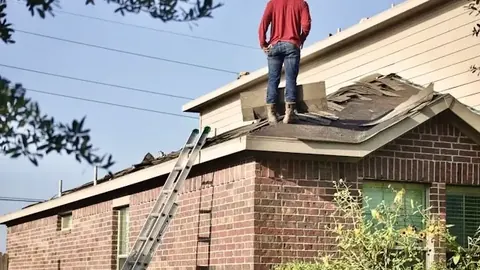
Roofs are where codes and claims meet most often in Port Arthur. Composition shingle roofs are common on homes, while metal roofs and low-slope roofs are typical on commercial and industrial buildings. When a roof is repaired or replaced after a hurricane or windstorm, the work generally needs a city permit, must meet the current IRC or IBC roofing provisions, and needs TDI windstorm inspection to keep TWIA eligibility.
Insurer estimates sometimes price the visible roofing material but leave out items that a permitted, windstorm-compliant installation requires. Items worth checking include underlayment type, drip edge, starter and ridge components, fastening, and flashing. Whether those items are owed depends on whether they are part of repairing covered damage under your policy and on any ordinance or law coverage. See roof damage insurance claims and hurricane damage claims.
Wind-resistant construction
Port Arthur faces hurricane-force winds, tropical storms, and severe thunderstorms with straight-line winds. Wind design comes from the adopted IRC and IBC and the standards they reference, together with TDI's windstorm specifications for the catastrophe area. We do not list design wind speeds here; your designer, contractor, the City, or TDI can confirm the requirements for a particular project.
Remember that the City's hurricane flood protection levee and seawall system reduces storm surge risk but does not stop rainfall flooding, and flood damage is generally excluded from homeowners and TWIA policies. Code-related questions for flood repairs may involve your flood policy instead; see flood damage claims.
Permit requirements
Permits are handled by the Building Inspections Division. Re-roofing and structural repairs generally need a permit, and so do many electrical, plumbing, and mechanical repairs. We do not quote permit fees here; ask the permit techs for current fees. Permit costs for covered repairs are often part of a complete repair estimate, so keep copies of permits and fee receipts for your claim file.
Structural repairs
Hurricane winds, fallen trees, fire, and long-term water damage can affect framing, trusses, walls, and foundations, including the piers and beams under many older Port Arthur homes. Structural repairs generally require permits, may require engineering, and must meet current code and TDI windstorm requirements. Repairing to current standards can cost more than restoring the original construction, which is where ordinance or law coverage becomes important.
Code-related upgrades
Code-related upgrades are items that are not "damaged" in the usual sense but must be added or changed because the repair triggers current requirements. Examples can include electrical updates under the 2020 NEC when walls are opened after water damage, or roofing and fastening components required by the 2021 IRC and TDI's windstorm specifications. Ask the City, TDI, or a licensed contractor which upgrades your project requires, and get that in writing where possible.
Contractor responsibilities
In most projects, the contractor pulls the permit, builds to code, arranges windstorm inspections, and schedules city inspections. Before work starts, ask your contractor to confirm the permit and WPI-8 process, explain which code items are included in the price, and itemize code-required work separately from like-kind repairs. That separation makes it easier to present code items to your insurer. Remember that in Texas a public adjuster may not take part in repairing a property on a claim they adjust, so your contractor and your public adjuster play different roles.
Ordinance or law coverage
Ordinance or law coverage pays, up to its limit, for increased costs to comply with building codes when repairing covered damage. It is often a separate, limited coverage or an endorsement, and the limit may be a percentage of the dwelling coverage or a fixed amount. Some policies have little or none. Check your declarations page and policy forms, including your TWIA policy, and note that some policies pay code-upgrade costs only after the work is actually completed.
A requirement under Port Arthur's codes or TDI's windstorm program does not automatically mean your insurer must pay for it. Payment for code upgrades depends on your policy's ordinance or law coverage, its limits, and its terms. Always read your own policy.
Code-related claim disputes
Disagreements often involve whether a code item was required, whether it relates to covered damage, or whether the policy includes enough ordinance or law coverage. Helpful steps include:
- Get written confirmation of the requirement from the City, TDI, or a licensed professional.
- Ask your contractor to itemize code-required and windstorm-required work.
- Compare the insurer's estimate line by line with the permitted scope.
- Submit a supplement with the documentation, or request an independent estimate review.
If the dispute is over the amount of loss, your policy's appraisal clause may apply. For coverage disputes or legal deadlines, consult a Texas attorney.
Confirm requirements with the City before work
This page reflects our review of City and TDI sources as of October 20, 2026. Before starting any repair, contact the City of Port Arthur Building Inspections Division at (409) 983-8261 or visit the Inspections and Permitting page, and check TDI's windstorm inspection requirements. If you have questions about how those requirements affect your claim, request a Free Claim Review.
Frequently Asked Questions
Which building codes does Port Arthur use?
According to the City of Port Arthur, its Building Inspections Division operates under the 2021 International Residential Code, 2021 International Building Code, 2021 International Plumbing Code, 2021 International Mechanical Code, and the 2020 National Electrical Code. Confirm current requirements with the division before starting work.
Do I need a permit to replace my roof in Port Arthur?
Re-roofing and structural repairs generally require a city permit. Confirm the scope of your project with the Building Inspections Division; the City lists its permit techs at (409) 983-8261.
What is a WPI-8 and why does it matter for my claim?
A WPI-8 is the Certificate of Compliance the Texas Department of Insurance issues when a structure, addition, or repair in the TWIA catastrophe area is built and inspected to TDI's windstorm specifications. Jefferson County is in that area. Re-roofs and roof repairs fall under the program, and the certificate is generally needed to keep the property eligible for TWIA coverage.
Will my insurance pay for code upgrades?
Not automatically. Increased costs to meet current codes when repairing covered damage are usually paid under ordinance or law coverage, which is often a separate, limited coverage or endorsement. Check your declarations page and policy.
Can I email my plans to the building official?
The City asks that plans not be emailed directly to the building official. Use the City's online permit portal or contact the permit techs for instructions. The division also does not accept online payments.
What if my insurer's estimate leaves out code-required items?
Document the requirement (for example, an inspection note, a TDI windstorm requirement, or the specific code provision) and ask the insurer to consider it under any ordinance or law coverage in your policy. A public adjuster can help present those items; for legal disputes, consult a Texas attorney.