
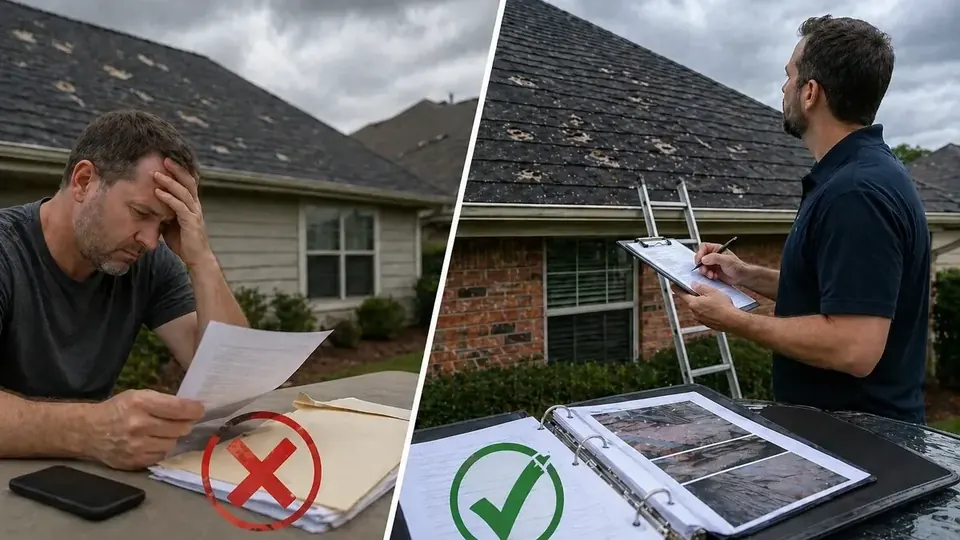
A denied insurance claim in Port Arthur often arrives weeks after a storm, when you have already started cleaning up and assumed help was on the way. Some denials are correct: the policy excludes the cause, or the damage really is older than the storm. Others are built on a short inspection, a misread cause of loss or missing information. The difference matters, and the way to find it is to compare the denial letter, the policy and the physical evidence side by side. We help homeowners and businesses in Port Arthur, Groves, Nederland, Sabine Pass and throughout Jefferson County do exactly that.
Why Claims Get Denied on the Upper Texas Coast
Port Arthur sits in one of the most storm-exposed corners of Texas. Hurricanes Rita, Ike, Laura and Delta, and the rainfall from Harvey and Imelda, all left their mark on the region. Several features of the local insurance landscape make denials more likely here than in many inland areas:
- Split policies. Many homes have a homeowners policy that excludes wind, a separate TWIA wind policy and a separate flood policy. Each insurer may attribute the damage to a peril the other one covers.
- Wind versus water. Hurricanes bring wind, wind-driven rain, storm surge and rainfall flooding at once. Standard policies exclude flood and surge, so the cause of each area of damage is often the whole dispute.
- Catastrophe volume. After a major storm, insurers bring in large numbers of outside adjusters, and inspections can be brief.
- Older roofs and homes. Wear-and-tear arguments are common where roofs and houses are older, even when storm damage is present.
- High percentage deductibles. A hurricane deductible of 2% or 5% of Coverage A can make an incomplete estimate look like it falls below the deductible.
For a deeper look at the wind-and-water question, read wind vs. flood damage in Port Arthur.

Common Denial Reasons and How to Test Them
| Stated reason | What it means | Questions worth asking |
|---|---|---|
| Flood or surge exclusion | Damage was caused by rising water, not wind | Is there damage above the water line? Roof or window openings? Was a flood claim filed? |
| Wear and tear | Damage is from age or deterioration | Are there fresh creases, missing shingles or impact marks consistent with the storm date? |
| No wind-created opening | Rain entered without the building first being damaged | Does roof or wall damage line up with the interior stains? |
| Long-term leak or seepage | Water damage happened over weeks or months | When did the leak start? What do moisture readings and a plumber’s report show? |
| Freeze exclusion | Pipes froze because heat was not maintained or pipes were not drained | Was the home occupied and heated? What does the policy condition actually require? |
| Below deductible | Covered damage is less than the deductible | Does the estimate include every damaged area, code item and contents? |
| Late notice | The delay hurt the insurer’s ability to investigate | When was damage discovered, and is the evidence still available? |
Denials Involving TWIA and Split Policies
When a home has both a homeowners policy and a TWIA windstorm policy, a denial from one insurer is not the end of the analysis. If the homeowners carrier denies because the damage came from wind, the TWIA claim should be filed and pursued. If TWIA attributes interior damage to something other than wind, such as a long-term roof leak, the homeowners policy may or may not respond depending on its terms. And if surge or rising water caused part of the loss, only a flood policy will cover that portion. TWIA claims also have their own filing deadlines and dispute procedures under Texas Insurance Code Chapter 2210. Our TWIA windstorm claims page covers those in more detail.
What to Do After Receiving a Denial
- Get the reason in writing. If the letter is vague, ask the insurer to identify the specific policy language and facts it relied on.
- Request the reports. Ask, in writing, for copies of any engineer, inspector or adjuster report and the photos used to make the decision.
- Get the full policy. Request a certified copy, including all endorsements, for the policy period of the loss.
- Preserve evidence. Keep damaged materials, photos and video. Continue protecting the property from further damage.
- Check the weather record. Our storm lookup and storm history pages can help connect damage to a date.
- Track deadlines. Write down every deadline in the letter and the policy.
Options After a Denial
Reconsideration with new evidence
Many insurers will reconsider when presented with information the first adjuster did not have: a detailed estimate, close-up photos, moisture mapping, a contractor or engineer opinion, or weather data. A re-inspection with someone present to point out the damage can make a real difference in what gets seen.
Splitting a partial denial
When part of the loss is accepted, the accepted portion may still be underpaid. That part can be addressed through our underpaid insurance claims process while the denied portion is challenged separately.
Appraisal for amount disputes
If the dispute turns out to be about how much, not whether, insurance appraisal may be available under the policy.
Legal advice
Public adjusters are not attorneys and do not give legal advice. If a coverage denial seems wrong, the insurer alleges misrepresentation, or a deadline to sue may be near, consult a Texas attorney. Texas weather-related claim lawsuits require written pre-suit notice under Chapter 542A, and TWIA disputes have their own special rules.
How a Port Arthur Public Adjuster Reviews a Denial
When we review a denied claim, we read the letter against the policy, inspect the property ourselves and look for gaps between what the insurer documented and what is actually there. If the evidence supports it, we prepare documentation and a line-item estimate and present it to the insurer for reconsideration. If the denial appears correct under the policy, we will tell you that plainly. A Port Arthur Public Adjuster cannot promise a reversal, but a clear-eyed review helps you decide where to spend your time.
Fees are disclosed in a written contract before any work begins; Texas law caps public adjuster compensation at 10% of the insurance settlement. Our article on what to do after a denied claim in Port Arthur walks through the process in more depth, or you can request a Free Claim Review.
Frequently Asked Questions
My insurer says the damage was caused by flood, not wind. What can I do?
This is one of the most common hurricane disputes in Jefferson County. Evidence such as water lines, roof and window damage above the water line, the direction of debris and weather data for the date of loss can help show which damage came from which cause. If you have a flood policy, a flood claim should also be filed so both sides of the loss are addressed.
Is a partial denial the same as a full denial?
No. Many “denials” approve part of the loss, such as the roof, while denying another part, such as interior damage or contents. The approved portion may still be underpaid, and the denied portion may rest on a separate reason that needs its own review.
Can appraisal overturn a denial?
Appraisal generally decides the amount of loss, not whether the loss is covered. A coverage denial usually is not resolved through appraisal. When the insurer accepts coverage but disputes the amount, appraisal may be an option under the policy.
How long do I have to challenge a denial?
There is no single answer. Your policy may set deadlines for supplements, reopening and lawsuits, and TWIA claims follow their own statutory timelines. Many Texas policies set a contractual deadline to sue, often two years and one day. Check your policy and talk with a Texas attorney about legal deadlines.
Should I file a complaint with the Texas Department of Insurance?
You can. TDI accepts consumer complaints about how insurers handle claims. A complaint does not decide coverage, but it creates a record and requires the insurer to respond to the department.
Can a public adjuster guarantee my denial will be reversed?
No. A public adjuster can review the denial, the policy and the evidence, and present additional documentation. The outcome depends on the policy language and the facts.