
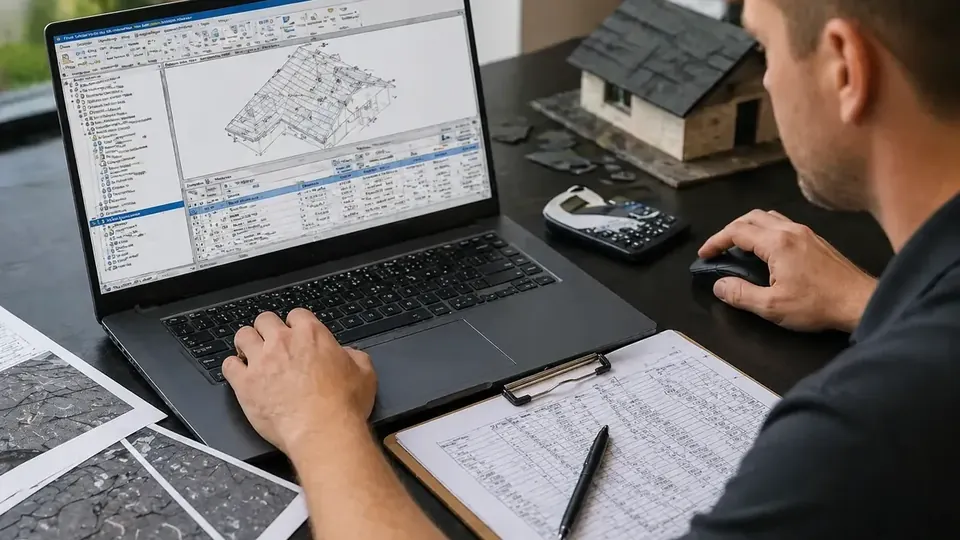
Most property claims are first estimated before anyone has opened a wall, pulled up flooring or torn off a roof. That is why insurance claim supplements in Port Arthur are such a normal part of the process. Once repairs begin, contractors find rotted decking, a second layer of shingles, wet insulation or framing damage that no one could see during the first inspection. Prices change, code requirements surface and items that were simply missed come to light. A supplement asks the insurer to add those items to the claim, with documentation that shows why they belong.
When a Supplement Is Appropriate
| Trigger | Example | What supports it |
|---|---|---|
| Hidden damage found during repairs | Water-damaged roof decking discovered at tear-off | Photos before covering, measurements, contractor notes |
| Missed items | Gutters, fence sections, a bedroom ceiling left off | Photos and measurements tied to the date of loss |
| Code-required work | Drip edge, permit costs, TDI windstorm installation requirements | Code references, permit records, ordinance or law coverage |
| Pricing changes | Materials or labor cost more when work actually starts | Current invoices and local bids |
| Scope changes | Patching proves impossible because materials cannot be matched | Manufacturer information, samples, photos |
| Recoverable depreciation | Withheld funds released after repairs are complete | Final invoices and completion photos |
Why Supplements Matter on Port Arthur Claims
Several local conditions make supplements especially common here. Wind-driven rain from Gulf storms can soak attic insulation and wall cavities without obvious ceiling stains at first. High humidity speeds up hidden deterioration and mold once materials stay wet. Older homes in many Port Arthur neighborhoods have decades of prior repairs, multiple roof layers or materials that are no longer made. And because Jefferson County is a TWIA first-tier coastal county, roof repairs must meet TDI windstorm requirements and be certified with a WPI-8 to keep TWIA eligibility, which can change the scope compared with what the original estimate assumed.
Port Arthur also enforces the 2021 International Residential Code and International Building Code, and re-roofs and structural repairs generally require a city permit. Code-driven costs are only paid where the policy includes ordinance or law coverage, and only up to its limit. See our local building codes page for the details.

How to Document a Supplement Correctly
- Stop and photograph. When hidden damage appears, capture wide shots, close-ups and a measuring tape for scale before the area is repaired.
- Notify the insurer. Tell the adjuster in writing what was found and offer a chance to inspect.
- Tie it to the loss. Explain how the newly found damage connects to the original cause, such as water entry at a wind-damaged roof area.
- Price it in the same format. A supplement written in Xactimate, line by line, is easier for the carrier to compare with its own estimate.
- Keep invoices and permits. Final invoices, permit records and WPI-8 certificates support both the supplement and depreciation recovery.
Reopening Previously Settled Claims
Many policyholders assume a closed claim is final. In reality, many Texas policies allow a claim to be reopened or supplemented under certain conditions, usually within a timeframe set by the policy. We review losses that were:
- Settled before the full extent of the damage was discovered
- Underpaid because the scope or pricing was incomplete
- Poorly documented, with rooms or structures missing from the estimate
- Closed without recoverable depreciation ever being requested
A closed claim may still be worth a second look if additional damage surfaced later, repairs revealed hidden issues, or the payment simply did not reflect actual repair costs. Timing is the key limitation. Policy deadlines for reporting additional damage and recovering depreciation vary, TWIA claims have their own statutory timelines, and many Texas policies set a contractual deadline to sue that may already be running. If you signed a release when the claim closed, have a Texas attorney review it. Our article on when it is too late to hire a public adjuster covers timing in more detail.
Supplements on Split TWIA and Homeowners Claims
For Port Arthur homes with separate wind and homeowners coverage, supplements need to go to the right insurer. Additional roof decking or interior damage caused by wind-driven rain through a damaged roof is typically a TWIA or wind-carrier item. A plumbing leak discovered while walls are open, or freeze damage, may belong under the homeowners policy instead. Sending a supplement to the wrong carrier wastes time and can create confusion in both files. When the original claim was split between insurers, we map each supplemental item to the policy most likely to cover it and keep separate documentation for each claim, so each adjuster sees only the items that belong in their file.
Common Reasons Supplements Are Rejected
- The hidden damage was repaired before anyone photographed it.
- The new damage is not clearly connected to the original covered loss.
- The request arrived after a policy deadline.
- Code items were requested, but the policy has no ordinance or law coverage.
- The supplement was a single lump-sum number rather than itemized.
Most of these are avoidable with good documentation. If a supplement is denied on amount rather than coverage, insurance appraisal may be an option.
How a Port Arthur Public Adjuster Handles Supplements
A Port Arthur Public Adjuster reviews the original estimate and payment history, inspects the property, documents what was missed or found later and prepares an itemized supplement for the insurer. On reopened claims, we also check the policy deadlines first so time is not wasted on a request the policy no longer allows. We do not perform repairs on claims we adjust, which Texas Insurance Code Chapter 4102 prohibits, but we work alongside the contractor you choose. Related pages: underpaid insurance claims and insurance estimate review.
Fees are disclosed in a written contract before any work begins; Texas law caps public adjuster compensation at 10% of the insurance settlement. Request a Free Claim Review to find out whether a supplement or reopened claim may make sense.
Frequently Asked Questions
What is a supplemental insurance claim?
A supplement is a request to add damage or costs to an existing claim after the initial estimate. It is used for hidden damage found during repairs, items the first estimate missed, price changes and code-required work, among other things.
How long do I have to supplement or reopen a claim?
It depends on the policy. Many policies set deadlines for recovering depreciation and for reporting additional damage, and TWIA claims follow their own statutory timelines. Read your policy and act as soon as additional damage is found.
Do I have to stop repairs while a supplement is reviewed?
Not always, but before covering up hidden damage, photograph it thoroughly and notify the insurer so it has a chance to inspect. Removing evidence before the insurer sees it can make a supplement harder to support.
I signed a release when I settled. Can I still reopen?
A signed release can limit or end your ability to seek more on that claim, depending on its wording. Have a Texas attorney review any release before assuming the claim can or cannot be reopened.
Can my roofer submit the supplement?
Contractors often send documentation of what they found, such as additional decking or layers. In Texas, however, only a licensed public adjuster or attorney may negotiate a claim on a policyholder’s behalf; contractors are restricted from acting as public adjusters.
How is recovering depreciation different from a supplement?
Recoverable depreciation is money already identified on the estimate and withheld until repairs are done. A supplement adds new scope or cost that was not on the estimate. Both may happen on the same claim.